
Vygieskraal Stadium
Vygieskraal Stadium
The City boasts some of the finest and most contemporary sporting arenas and venues for concerts and various other events. Vygieskraal Stadium is used mostly for soccer and athletic events. It is located close to public transport for ease of access, and seats 12 000 people.
Vygieskraal Stadium, located in Athlone, Cape Town, South Africa, has a rich history intertwined with the country’s socio-political landscape. Here’s a brief overview:
- Establishment: Vygieskraal Stadium was established in the mid-20th century, primarily as a venue for football matches. It served as a hub for local football clubs and community events.
- Apartheid Era: During the apartheid era in South Africa (1948-1994), Vygieskraal Stadium, like many other public spaces, was subject to racial segregation laws. Non-white South Africans were often restricted to certain areas of the stadium, while white South Africans enjoyed more privileges.
- Resistance and Protest: Despite the apartheid regime’s attempts to suppress dissent, Vygieskraal Stadium became a site of resistance and protest. It witnessed gatherings and demonstrations against apartheid policies, with activists using sports events as platforms to voice their opposition.
- Post-Apartheid Transformation: With the end of apartheid and the dawn of democracy in 1994, Vygieskraal Stadium underwent transformation. It became more inclusive, welcoming people of all races to its events. This period marked a significant shift in the stadium’s atmosphere, reflecting the broader changes taking place in South African society.
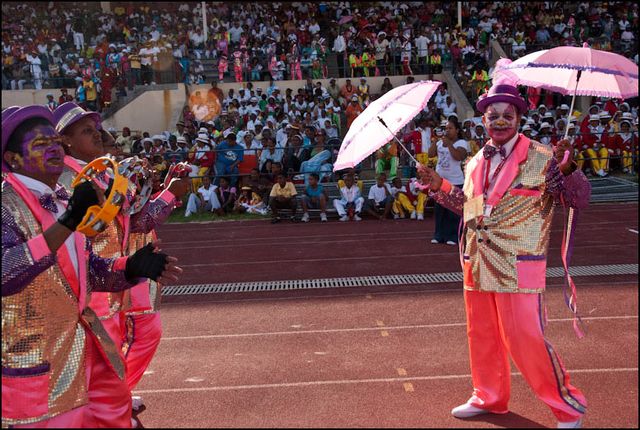
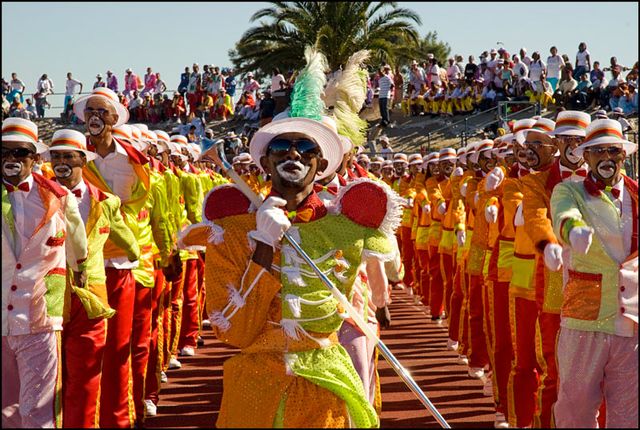
- Community Hub: In addition to hosting sports events, Vygieskraal Stadium has served as a community hub, hosting cultural festivals, concerts, and other gatherings. It plays a vital role in bringing people together and fostering a sense of community in the Athlone area.
- Infrastructure Development: Over the years, there have been efforts to improve and modernize Vygieskraal Stadium’s infrastructure. Renovations and upgrades have been undertaken to enhance the spectator experience and ensure the stadium meets contemporary standards.
- Legacy: Vygieskraal Stadium holds a special place in the hearts of many South Africans, especially those from the Athlone community. Its history reflects the resilience and spirit of the people who have fought against oppression and worked towards a more just and inclusive society. Today, it continues to be an important landmark and gathering place for both sports and community events.

Location

Upcoming Events
- No scheduled events at this moment…


Activities
- Sport matches
- Sport programmes
- Concerts
- Functions and events
Features and facilities
- Multipurpose sport field
- Athletics track
- Public toilets
- Facility hire
- Astroturf
Facility sizes
| Stadium seating | 12 000 people |
| Inside Parking Bays |